plumbers
How to Choose a Plumber in Montana: Licensing, Rural Realities, and Bids Worth Trusting
How to choose a plumber in Montana: verify the state license, understand permit jurisdiction, compare bids, plan for freeze depth, and handle well and septic work.
In This Article
How to Choose a Plumber in Montana: Licensing, Rural Realities, and Bids Worth Trusting
Montana plumbing has a problem no coastal state deals with: the nearest licensed plumber might be 70 miles away, and the one who can come tomorrow might be the one you should not hire. In Sanders, Garfield, Powder River, and a dozen other counties, homeowners are choosing from a very short list, which makes knowing how to evaluate that list worth real money.
Frost depth is the other Montana constant. Water lines here go four to six feet down depending on the county, and a plumber who does not build for that is setting you up for a frozen service line in January.
Verify the License First
Montana licenses master and journeyman plumbers through the Department of Labor and Industry, and the state maintains an online lookup. Ask for the license number, then check it yourself rather than trusting a business card.
Only a licensed plumber may perform this work for compensation. Handyman services can install a garbage disposal or a faucet in some circumstances, but water supply, drainage, and gas piping belong to the licensed trade.
Permits and inspections in much of Montana run through the state Building Codes Bureau rather than through a local office. Billings, Missoula, Bozeman, Great Falls, Kalispell, Helena, and a handful of other jurisdictions run their own building departments, and outside those areas the state inspector handles it.
Ask who is pulling the permit and who will meet the inspector. It should be the contractor under their license, and never the homeowner signing as an owner-builder for work someone else is performing.
Insurance is the last document. General liability plus workers compensation, with the certificate emailed by the agent, protects you if a helper is injured in your crawl space.
What Plumbers Charge in Montana
Hourly rates run $85 to $150 across the state. Bozeman and Big Sky sit at the top, driven by a labor shortage and construction demand, while Havre, Miles City, and Glasgow sit near the bottom.
Service call and trip fees run $75 to $175 in town. Rural addresses commonly add a mileage charge, often $1 to $3 per mile beyond a set radius, and that can add $100 or more to a call 45 minutes out.
Flat rate pricing is less common here than in metro states. Most Montana shops still bill time and materials, which usually favors the homeowner on straightforward work and costs more when something unexpected opens up.
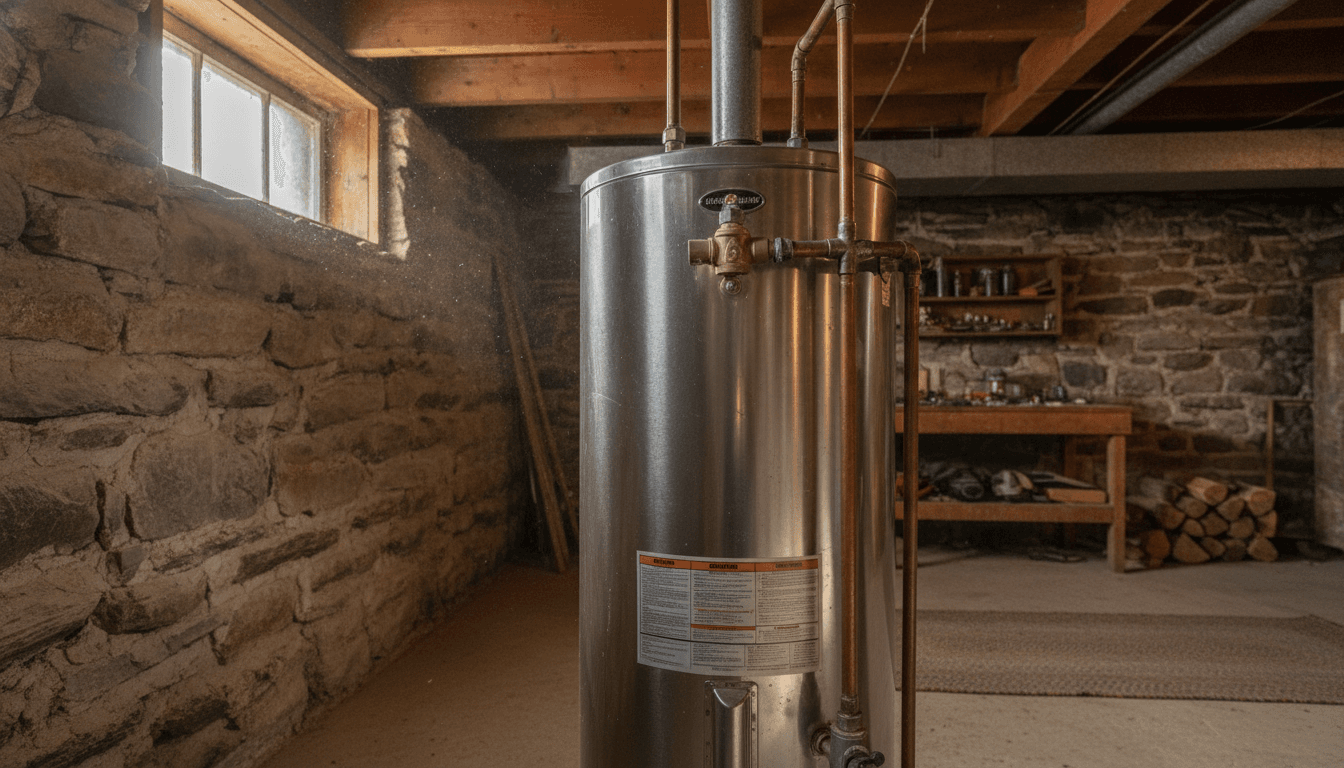
Useful benchmarks: a 50 gallon water heater replacement runs $1,600 to $3,000 installed, a main line snake through a cleanout is $275 to $600, a well pressure tank is $700 to $1,400, and a submersible well pump replacement runs $1,800 to $4,000 depending on depth.
Ask About Response Time Before You Need It
The right question in Montana is not just what a plumber charges but how fast they can reach you in February. A shop 20 minutes away at $130 an hour is worth more than one 90 minutes away at $100.
Establish a relationship before an emergency. Many rural Montana plumbers prioritize existing customers during cold snaps, and having had them out once for a water heater puts you on that list.
Ask whether they carry parts inventory. Supply houses are far apart here, and a truck stocked with common fittings, valves, and elements is the difference between a same-day repair and a three day wait.
Well, Septic, and Off-Grid Work
A large share of Montana homes are on private wells and septic systems, and not every plumber does that work. Ask directly how many well systems they service in a year.
Well work spans two trades. Pump, pressure tank, and pressure switch work is plumbing; drilling and casing repair belongs to a licensed water well contractor, and a plumber should tell you plainly when the job crosses that line.
Septic falls under county environmental health and Montana DEQ rules. Installation and repair require a licensed installer and a permit, and a plumber who offers to fix a failing drainfield without permits is inviting a problem you will inherit.
Water treatment is common statewide. Iron, manganese, hardness, and in some areas arsenic show up in Montana groundwater, and a treatment system runs $2,000 to $5,500 installed. Ask for a current water test before buying equipment, and be cautious of a company that sells the test and the system both.
Match the Plumber to the House
Montana housing runs from 1900s Butte and Anaconda homes to log construction in the Flathead to 2024 subdivisions outside Bozeman. The systems inside them have almost nothing in common.
Older mining-era homes in Butte, Anaconda, Helena, and Great Falls often still have galvanized supply lines and cast iron waste. Weak upstairs hot water pressure is the classic symptom, and repiping a modest two bedroom home runs $6,000 to $15,000.
Log and timber frame homes present routing problems that frustrate plumbers who have not worked on them. Ask directly whether they have run supply and drain lines in log construction before, because the wrong approach means visible chases in a finished wall.
Radiant floor heat is common in newer Montana construction and in remodels. It is boiler work rather than furnace work, and the shop you hire should service radiant systems regularly rather than occasionally.
Freeze Protection Is the Local Specialty
Frost depth in Montana ranges from about four feet in the western valleys to six feet or more on the Hi-Line. Water services and yard hydrants have to sit below that, and shallow lines installed by someone from a warmer state fail in the first hard winter.
Heat tape and pipe insulation on crawl space plumbing are standard here. Ask any plumber working on your system to look at exposed runs and tell you what is at risk, since a $200 preventive fix beats a $3,000 burst pipe repair.
Frost-free yard hydrants need proper drainage at the base or they freeze anyway. Installation costs $600 to $1,500 including the trench, and the gravel bed at the bottom is the part cheap installations skip.
Seasonal cabins and second homes need real winterization rather than draining a few faucets. Full winterization with antifreeze in traps runs $200 to $450, and the spring reopening runs about the same.
Comparing Bids Honestly
Get three quotes on anything over $2,000, which in rural counties may mean calling shops in two or three towns. The bids should describe the same scope in writing before you compare numbers.
For a water heater, the items that separate bids are the permit, the expansion tank, a new shutoff valve, venting corrections, the drain pan, and haul away. For a repipe, it is the material, the number of fixtures, and how much wall opening and patching is included.
Ask what happens if the job takes longer than estimated on a time and materials contract. A reputable Montana shop will give you a not-to-exceed number or agree to call before crossing a threshold.
Ask about the warranty. One year on labor plus the manufacturer's parts coverage is standard, and it belongs on the invoice rather than in conversation. Comparing several licensed plumbers serving Montana on documentation and response time together gives you a better decision than price alone.
Red Flags Worth Walking Away From
Cash-only pricing with no invoice usually means no permit and no warranty. It also means no recourse if the work fails.
Large upfront deposits are not standard in plumbing service work. A materials deposit on a large repipe is reasonable; full payment before work starts is not.
Immediate recommendations to replace rather than repair, made without a camera inspection or a diagnostic, deserve a second opinion. Sewer replacement quotes in particular should come with video.
Door-to-door solicitation after a regional freeze event follows the same pattern here as storm chasing does elsewhere. Established Montana plumbers are booked solid in those weeks and do not knock on doors. Additional Montana home service guides are on our home services blog.
Common Questions About Hiring a Plumber in Montana
Do I need a permit for plumbing work in Montana?
Usually yes, for water heaters, gas piping, new fixtures, and sewer or water service work. Outside the cities with their own building departments, the state Building Codes Bureau issues the permit and performs the inspection.
Can I do my own plumbing on my house in Montana?
Homeowners may perform work on their own single family residence in many cases, subject to permit and inspection. That exemption does not extend to rental property or to work you hire someone else to perform.
How much does an emergency plumber cost in Montana?
Expect a $150 to $350 after hours fee plus labor at 1.5 to 2 times the day rate, and add mileage for a rural address. Burst pipes in a January cold snap fill schedules statewide, so response times stretch.
Why are Bozeman plumbing rates so much higher?
Construction demand and a tight labor market in Gallatin County have pushed rates well above the state average. Homeowners there sometimes find better pricing by calling shops in Belgrade, Livingston, or Three Forks.
Should I hire a plumber who is not licensed if they are cheaper?
No. An unlicensed contractor cannot pull a permit, has no bond behind the work, and often carries no insurance, and any of those three can cost you far more than the discount saved.